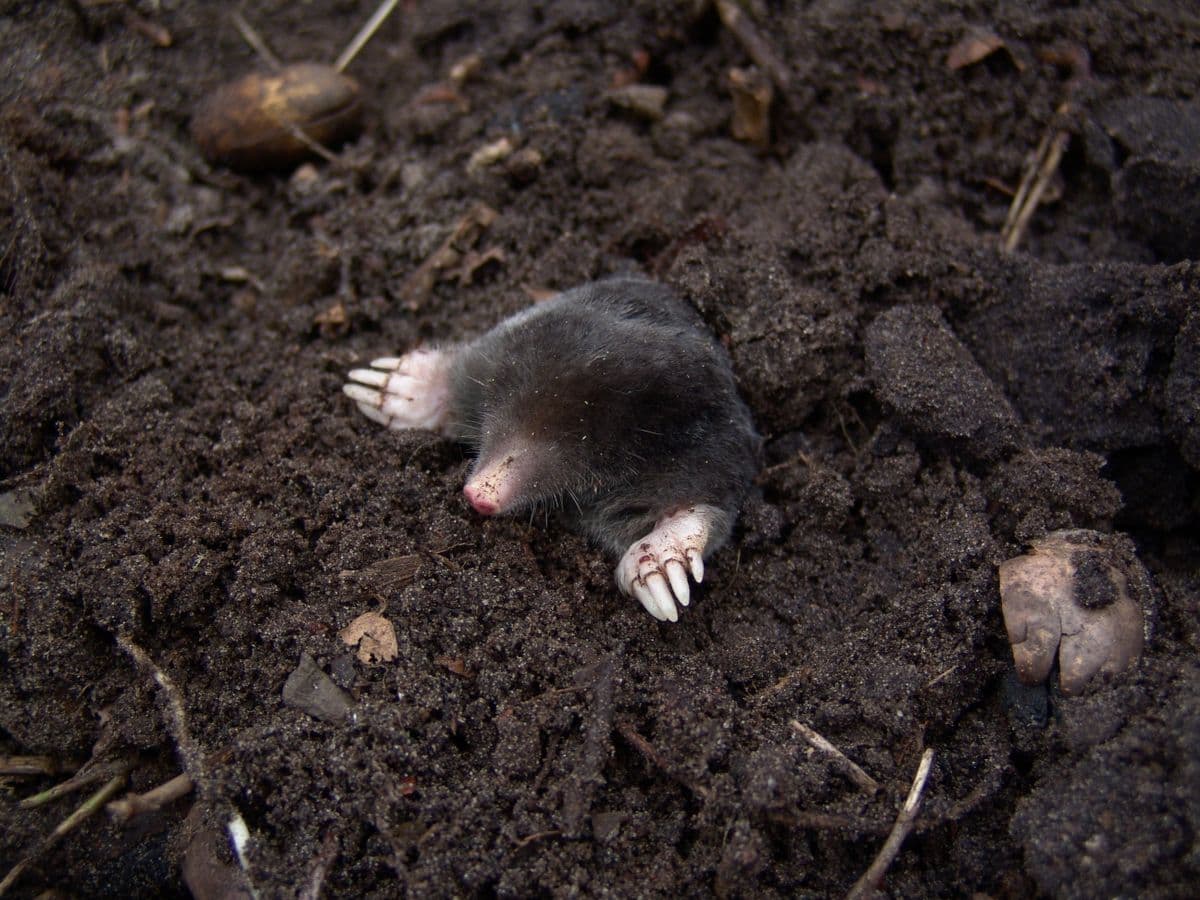
Moles
Mole control
- ✓Proven trapping methods
- ✓Fully insured, free quotes
- ✓Gardens, paddocks and farmland
- Fully insured
- Free quotes
- Discreet unmarked van
- Local team
- Seven days a week
Discreet service
Unmarked van, no disturbance.
Fully insured
Every job is covered.
Same-day callouts
Where our schedule allows.
Local, family-run
The same face on every job.
Signs of moles in your garden or land
Mole hills are the most obvious sign, but there are others to watch for:
- Mole hills. Fresh mounds of soil appearing in lawns, borders, paddocks or fields, often in lines or clusters.
- Ridges and tunnels. Raised lines of turf where moles have tunnelled just below the surface.
- Collapsed tunnels. Shallow runs that collapse underfoot, leaving uneven ground.
- Plant damage. Disturbed roots and lifted turf that dries out and dies.
- Persistent activity. Moles use established tunnel systems, so new hills keep appearing in the same spots.
If you are seeing any of these signs, the problem will not resolve itself. Moles do not give up a productive tunnel system easily, which is why they tend to get worse over time without professional intervention.
How professional mole control works
 01
01Survey
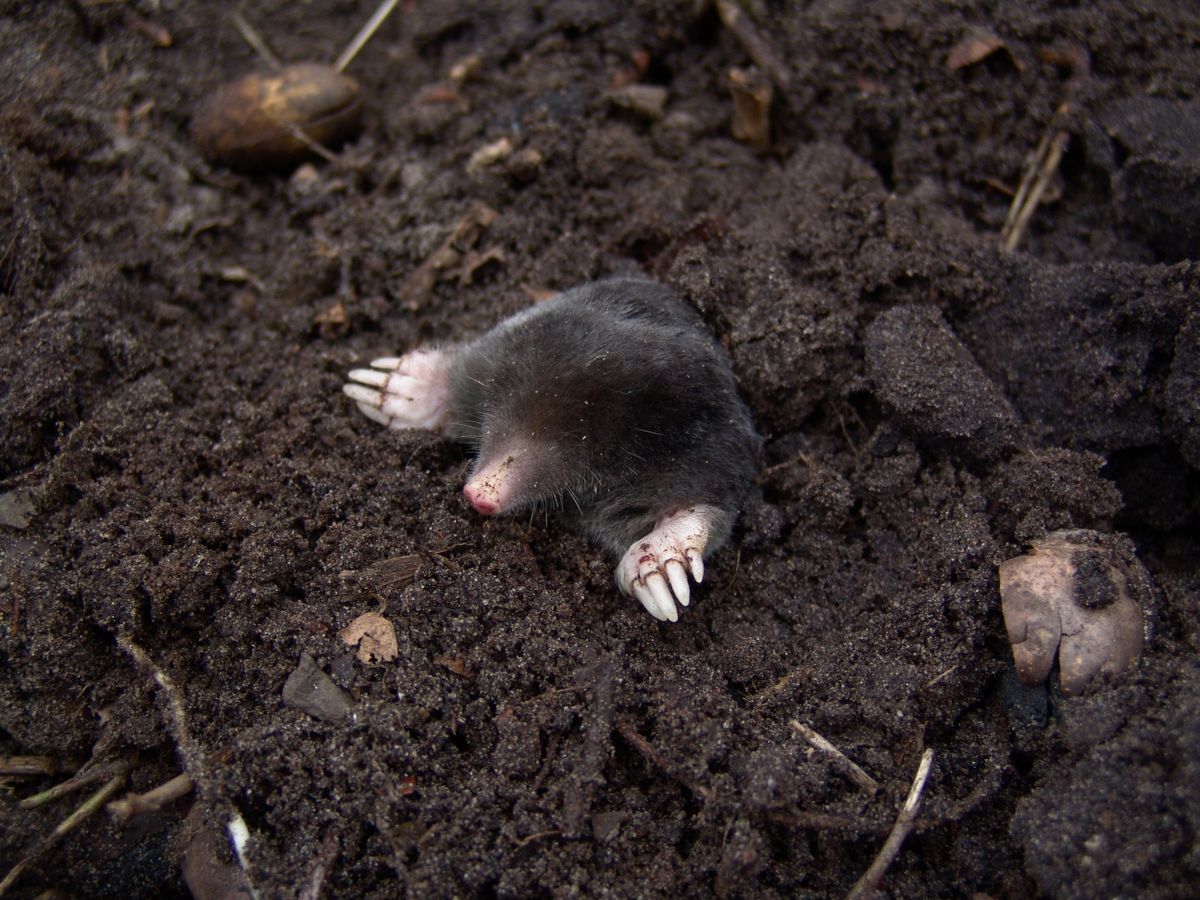
We assess the mole activity, identifying the active tunnels from the fresh hills and runs on your land.
 02
02Trapping
Proven trapping methods are used to remove the active moles, with traps set in the right runs and checked regularly.
 03
03Ground repair advice
Once the moles are gone, we advise on reinstating the ground so your lawn, garden or paddock recovers properly.
 04
04Monitoring
We check progress and advise on monitoring to catch any new activity before it becomes a problem.
Why DIY mole control fails
Mole control looks simpler than it is, and the DIY route rarely delivers:
- Traps need precise placement. The right tunnel, the right depth, the right trigger setting — miss one variable and the mole simply bypasses the trap.
- Moles learn quickly. Once you tamper with their tunnel system, they avoid disturbed runs, making them harder to catch.
- Flooding tunnels rarely works and can damage the ground further.
- Gas and repellents have limited, short-term effect. Moles simply move to another part of their tunnel network.
Professional mole control uses proven trapping methods, placed by someone who reads mole activity properly. This is why it works where DIY approaches do not. If you have spent time and money on shop-bought remedies without success, you are not alone — and professional treatment is usually the answer.
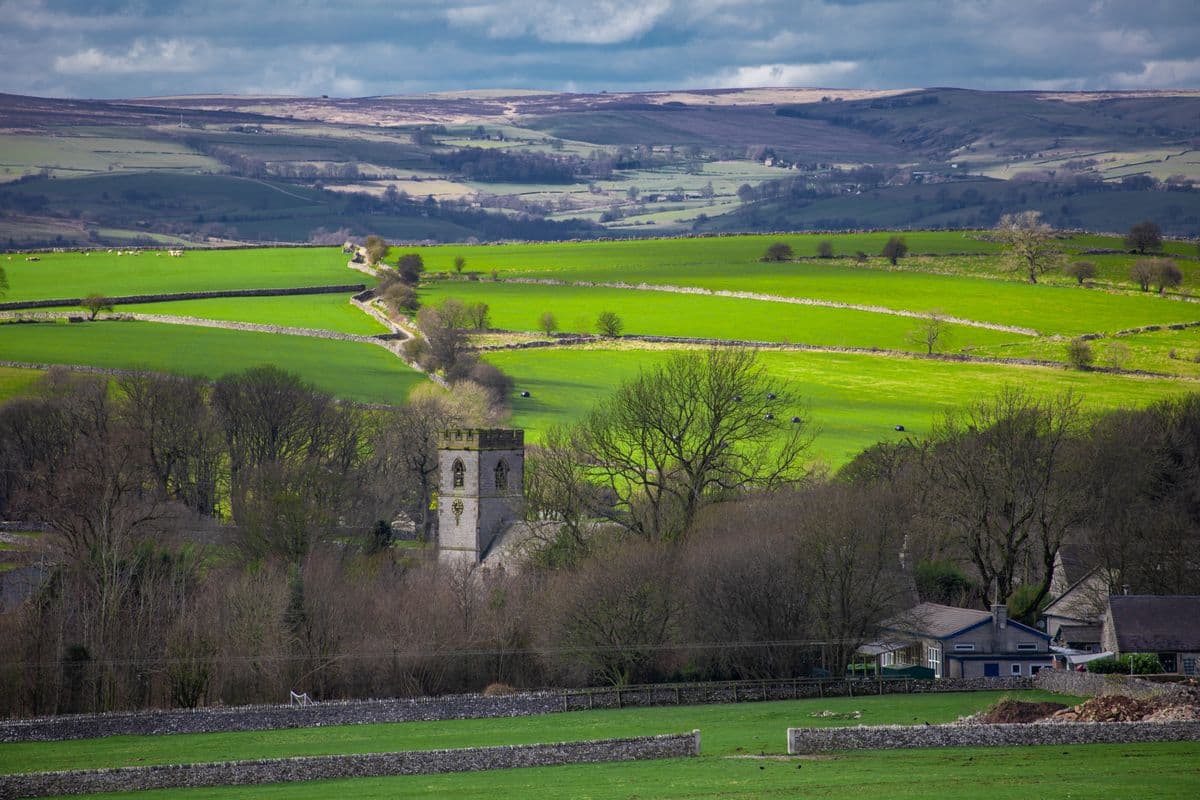
Mole control for gardens, paddocks and farmland
Gardens and lawns. Moles can ruin a carefully maintained lawn in days. Raised ridges and soil hills make mowing difficult and spoil the appearance of borders and flowerbeds.
Equestrian land and paddocks. Mole tunnels and hills create uneven, hazardous ground for horses and riders. On livery yards and riding schools, this is both a safety concern and a professional liability.
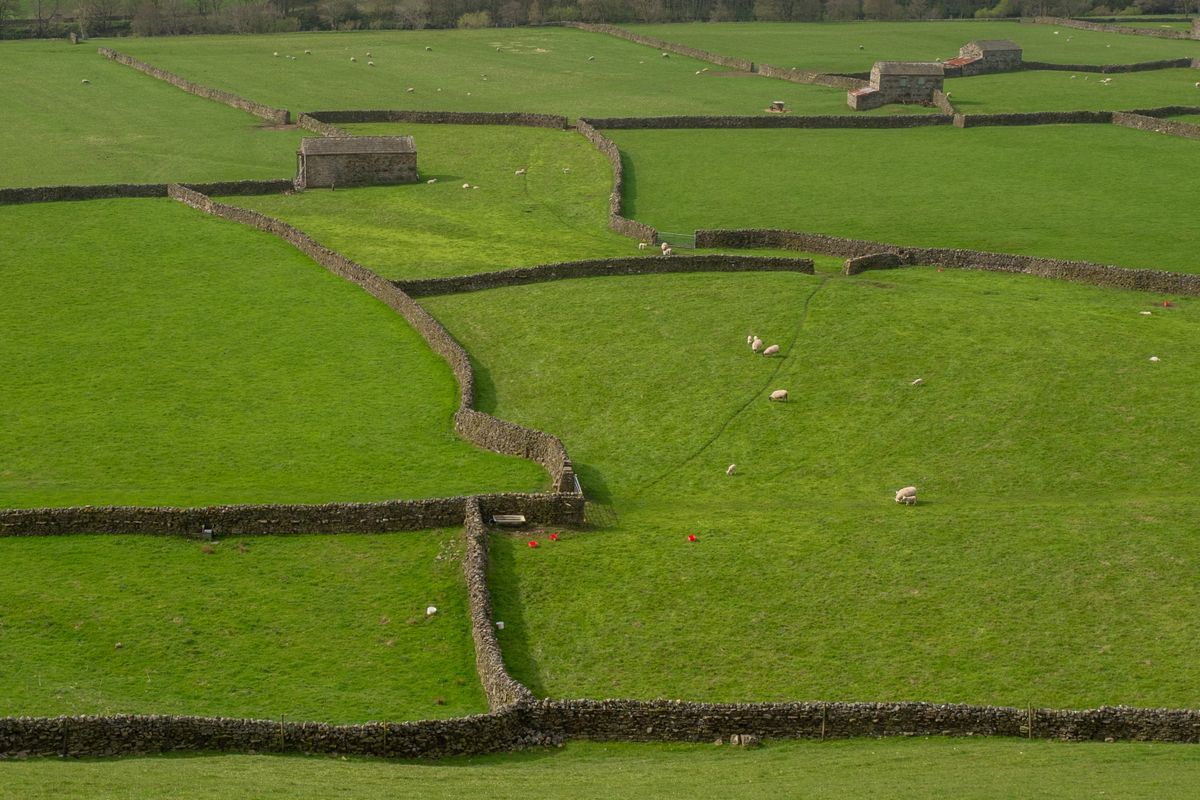
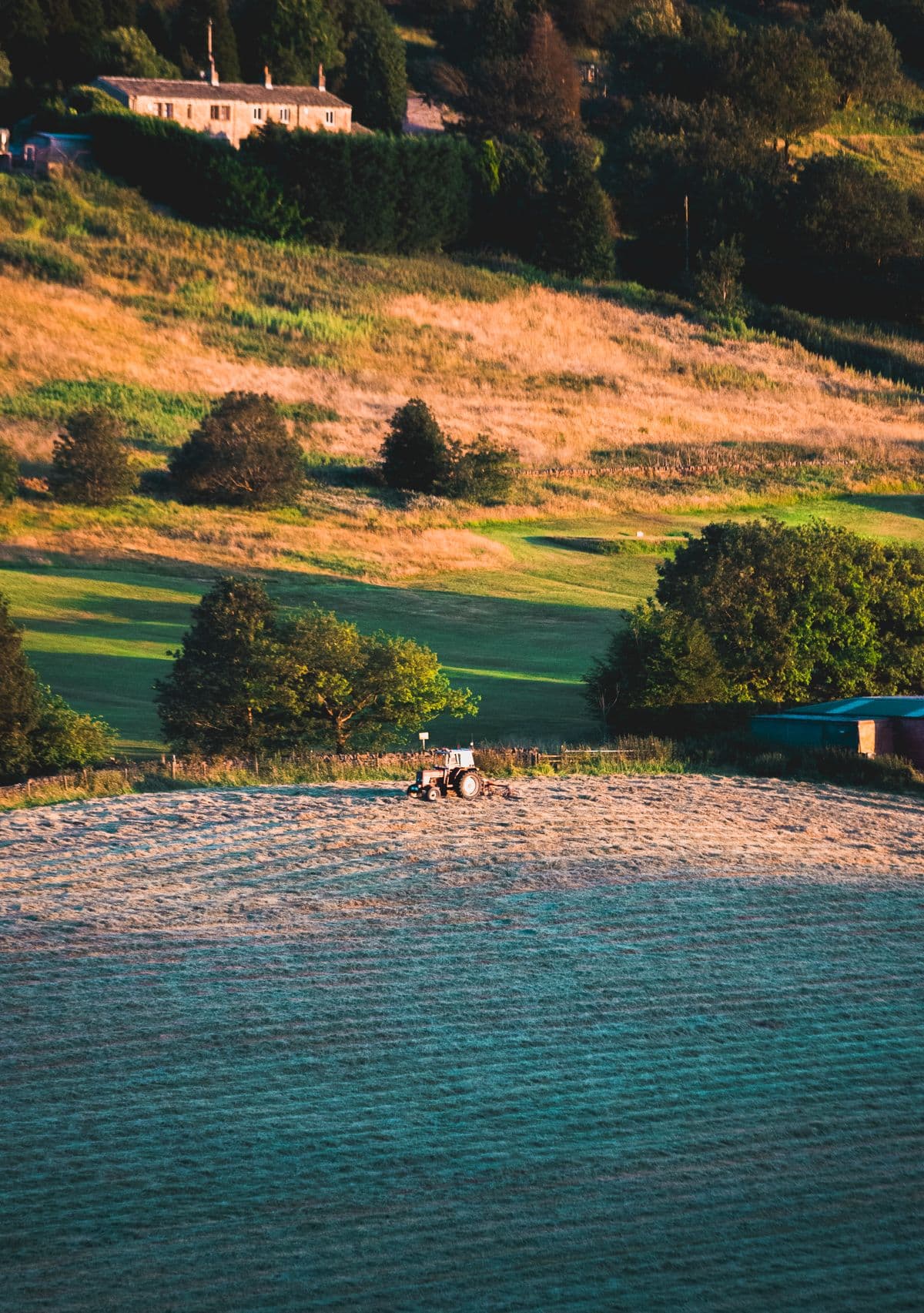
Farmland and smallholdings. For farmers, mole activity on grazing land, silage ground and field margins is a real cost. Fresh soil contaminates grass at cutting time, and uneven ground is a hazard for livestock.
Sports grounds and amenity land. Golf courses, playing fields and public grounds all suffer from mole damage. Regular monitoring and prompt treatment prevents small issues from becoming visible problems.

How is a mole control quote worked out?
Mole control in Bude, Launceston and Holsworthy
Related services
Other pest problems we deal with across the area.
Rat and mouse control
Rats and mice in the house, loft, shed or business premises. Survey, treatment and proofing advice.
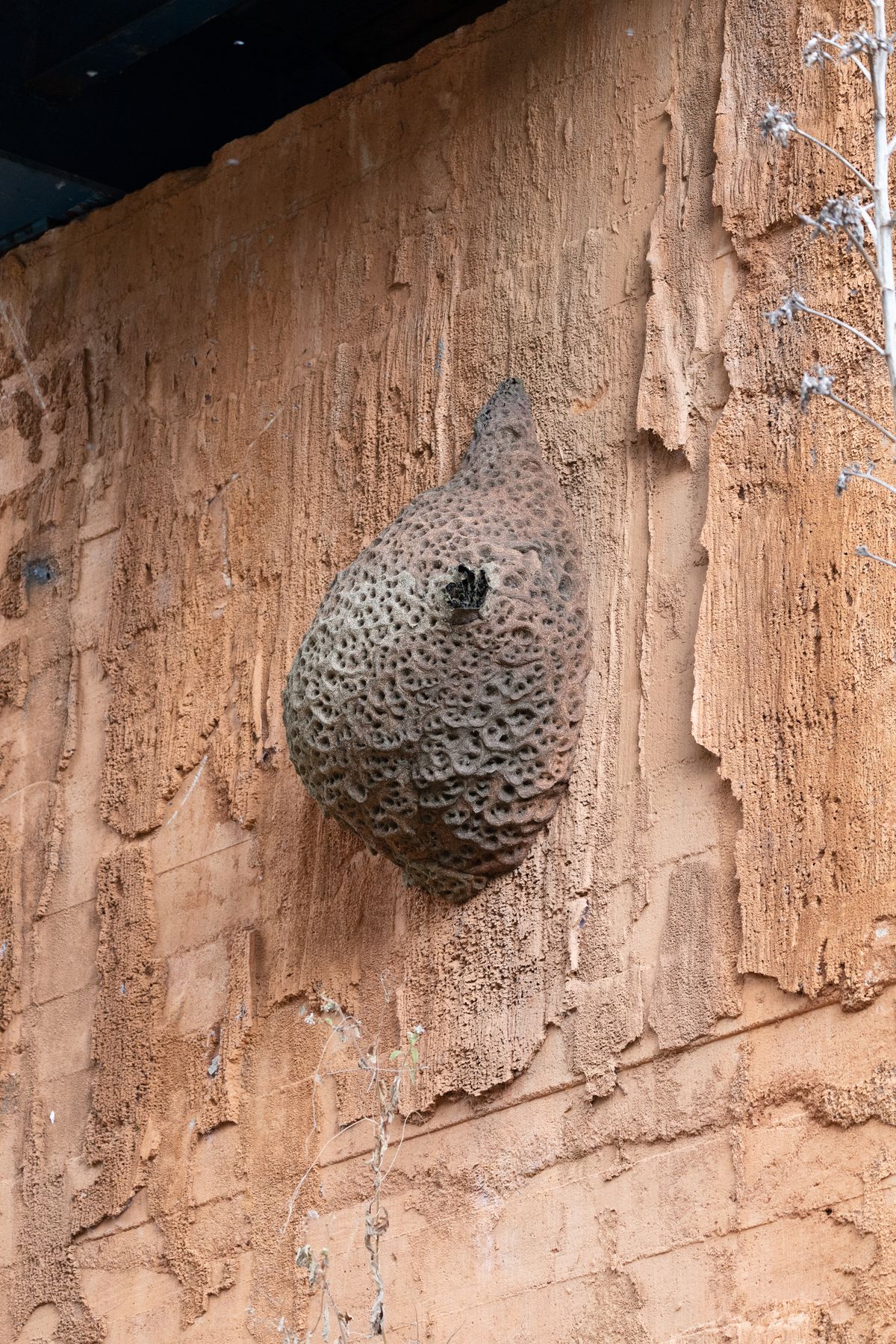
Wasp nest removal
Fast, safe wasp nest removal — usually a single visit, fully insured and free quotes.
Commercial pest control
Ongoing pest management for farms, smallholdings, pubs, hotels and businesses.
Common questions
What are the signs of moles in my garden?+
Mole hills — fresh mounds of soil in lawns, borders or paddocks — are the most obvious sign. Raised ridges in the turf, collapsed tunnels, disturbed plant roots and persistent activity in the same areas all point to an active mole problem.
Are moles dangerous to people or pets?+
No. Moles are insectivores, not rodents, and they do not pose a direct threat to people or pets. The problem is the damage they cause to lawns, paddocks and farmland rather than any safety risk.
Can I get rid of moles myself?+
DIY mole control rarely works long term. Traps need to be placed in the right tunnel at the right depth with the right trigger setting, and moles quickly learn to avoid disturbed runs. Professional trapping is far more effective.
How long does mole control take?+
Most mole jobs are handled in a single visit, though follow-up visits may be needed depending on the size of the area and the amount of activity. We will advise on what to expect when we survey the land.
Do you treat moles on farmland and paddocks?+
Yes. We cover gardens, paddocks, farmland, smallholdings, sports grounds and amenity land across Bude, Launceston, Holsworthy and the surrounding area.
How do I stop moles coming back?+
Moles are territorial and a cleared area is unlikely to be recolonised immediately, but if your land adjoins areas with active mole populations, reinfestation is possible. We advise on monitoring and can arrange follow-up visits if needed.
Got a pest problem?
Call 07552 372561 for honest advice on what you are dealing with, or request a quote and we will come back to you the same day.
Call now